
Generic rental-business guides written for the US or European market assume a pricing environment, competitive landscape, and event calendar that doesn't map cleanly onto Spanish-speaking markets. A negocio de alquiler de brincolines in Mexico City runs on a different day-rate structure and a different peak-season calendar than one in Madrid or Miami. This guide localizes the pricing, fleet mix, and profitability framework to what operators in Spanish-speaking markets are actually running.
Day-rate pricing in Spanish-speaking markets tends to track three variables more than unit size alone: local disposable income relative to comparable entertainment options, the density of competing rental operators in a given city, and whether the booking falls on a high-demand date — quinceañeras, Christmas and Reyes Magos season, and the school-holiday calendar drive concentrated demand spikes that a flat year-round rate leaves money on the table for. Operators who build a two-tier rate card — standard weekday pricing and a premium rate for named peak dates — consistently outperform flat-rate competitors on the same equipment.
A starter fleet built for Spanish-speaking markets should weight differently than a US or European equivalent:
Our full range of Inflatable Castles and Inflatable Combos covers both categories for operators building or expanding a fleet.
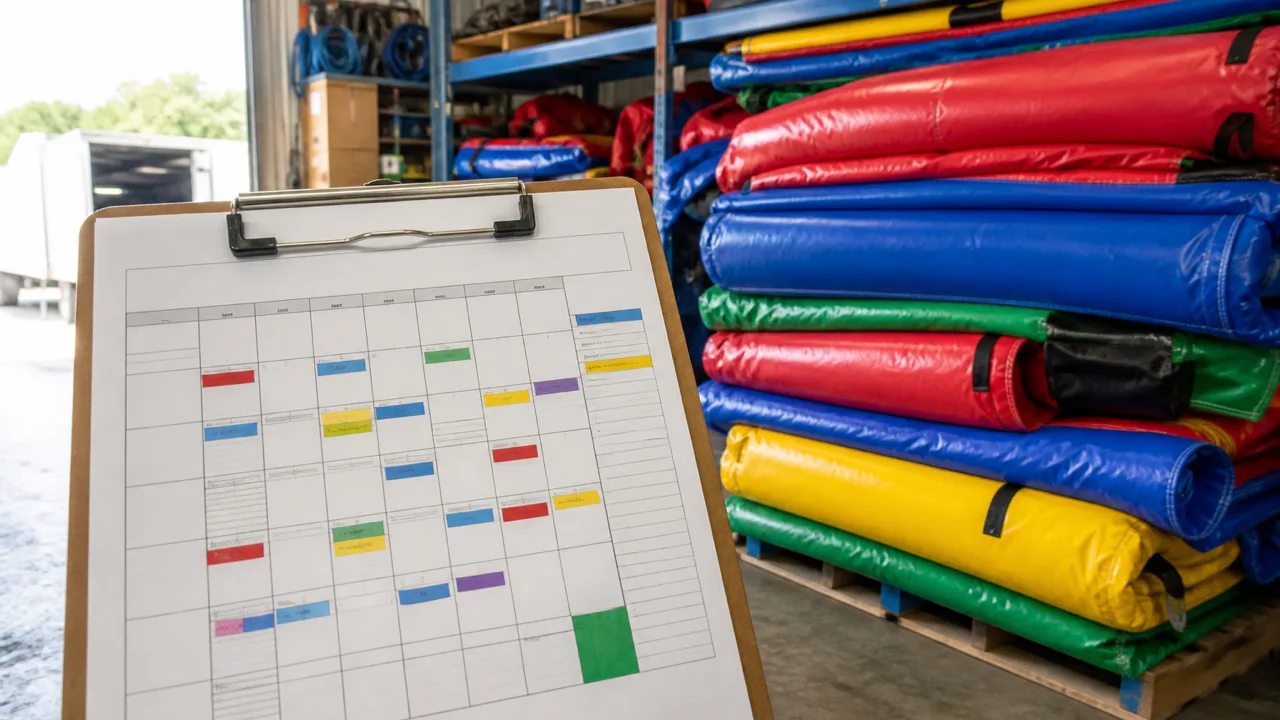
Unit price and day-rate get the attention, but utilization rate — the share of available weekend and holiday dates a unit is actually booked — is what separates a profitable operator from one carrying idle inventory. A fleet running at 40% weekend utilization needs a materially different pricing and marketing approach than one running at 70%, and most first-year operators overestimate their starting utilization rate. Build a conservative first-year utilization assumption into your payback math rather than assuming every weekend books out. For the underlying utilization and payback framework in more depth, see our rental fleet ROI guide.
Spanish-speaking markets across Latin America and Spain share some seasonal patterns and diverge on others. Quinceañera season concentrates demand differently than a US sweet-sixteen calendar, and school-holiday timing varies by country — confirm the specific academic calendar for your target city rather than assuming a single regional pattern. Christmas and Reyes Magos (January 6) create a second demand peak in most Spanish-speaking markets that a US-focused operator wouldn't plan a fleet around, and stocking a small run of seasonal-themed units ahead of that window is a low-risk way to capture it.
Operators starting with two or three units typically buy through a local distributor for speed; those planning a full season's fleet expansion see better economics ordering factory-direct and consolidating multiple units into a single container. Our factory-direct sourcing guide for juegos inflables covers the import basics for Spanish-speaking buyers ordering directly from a Chinese factory.
A unit booked every weekend accumulates wear faster than the pricing model of a new operator usually accounts for — seam stress at anchor points, blower wear from constant setup and teardown, and PVC fading from repeated outdoor exposure all shorten the realistic service life of a heavily booked unit. Build a repair and eventual replacement reserve into the day-rate rather than treating the full rental income as margin, and inspect high-use units before every booking rather than on a fixed monthly schedule. Operators who skip this step tend to discover the true maintenance cost only when a unit fails mid-event, which is a far more expensive lesson than a routine inspection.
The operators who build a sustainable business in this category typically do three things consistently: they price by date rather than a flat rate, they track utilization by unit rather than judging the fleet as a whole, and they resist over-investing in themed or seasonal units before the core castle-and-combo fleet is running at strong utilization. None of these require additional capital — they're pricing and inventory discipline, applied to the same equipment a less profitable competitor is running.
How much should I charge to rent a castillo inflable?
Day-rate pricing depends heavily on local market density and demand timing — build a two-tier rate card with standard and peak-date pricing rather than a single flat rate, and benchmark against local competitors rather than a generic international average.
What is a realistic weekend utilization rate for a new rental fleet?
Most first-year operators overestimate starting utilization. Build a conservative assumption into your payback model and treat higher utilization as upside rather than the baseline case.
If you're planning a fleet expansion for a Spanish-speaking market, our team can help you model the fleet mix and sourcing plan that fits your target city's demand pattern.