Buyers sourcing bounce houses and inflatable games for the Spanish-speaking market face a different set of practical questions than the general wholesale-pricing mechanics covered elsewhere — import duty structures vary meaningfully between Spain (EU customs), Mexico, and the rest of Latin America, and negotiation with Chinese factories works differently when English isn't the buyer's first language either. This guide covers the market-specific parts: what actually changes the landed cost by destination, and how to negotiate effectively when quotes and specs are being translated on both sides.
Spain and other EU destinations follow the standard EU customs framework — CE marking, EN 14960 documentation, and harmonized duty rates apply the same way they do for any EU-bound order. Mexico and most Latin American markets run separate national customs regimes with their own duty schedules and, in several countries, additional import permits for children's play equipment specifically. Confirm the current permit and duty requirement for your specific destination country with a local customs broker before finalizing a quote — these requirements and rates change periodically and shouldn't be assumed to carry over from one Latin American market to the next, even between neighboring countries.
Freight lane also matters more than buyers expect: a factory quoting a Los Angeles or Long Beach port destination for onward US or Mexico distribution has a different freight cost structure than one quoting direct to a Spanish or South American port — ask the factory to quote against your actual destination port, not a generic "West Coast USA" default that may not match your real logistics chain.
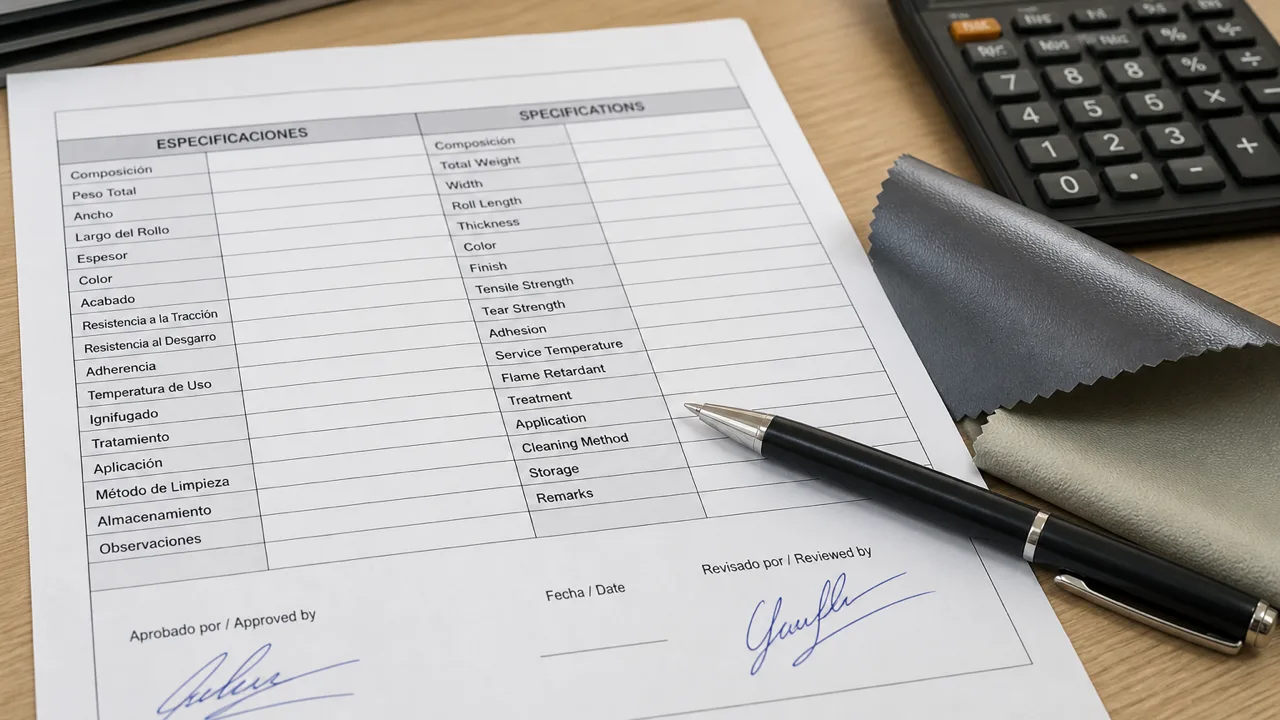
Many Chinese factory sales staff work in English as a second language, and many Spanish-speaking buyers do too — which means specification details and pricing terms both pass through translation twice before either side fully confirms them. This is where quote errors and scope misunderstandings creep in, not from bad faith on either side. Put every agreed spec — dimensions, material grade, MOQ, and price — into a single written document both sides sign off on, rather than relying on email threads or chat messages where a translated nuance can get lost.
Some factories have dedicated Spanish-speaking sales staff or work with a Spanish-fluent trading agent specifically because of this friction point — asking directly whether Spanish-language support is available before committing to a supplier relationship is a reasonable first question, and it materially reduces the back-and-forth on a first order.
For bounce castles specifically, size and safety-certification requirements vary by end use — a unit destined for a fixed park installation in Mexico faces different practical inspection expectations than one going into a Spanish rental fleet under EU rules. See our castillos inflables sizing and sourcing guide for the product-specific dimension and certification breakdown, and our juegos inflables sourcing guide for the broader Spanish-market buying process.
Everything covered here sits on top of the same fundamental pricing structure that applies to any wholesale inflatable order — FOB versus landed cost, volume tiers, and material grade still drive the base unit price regardless of destination market. See our wholesale pricing structure guide for that underlying framework before layering the market-specific factors above on top of it.
Landed cost for the Spanish-speaking market depends heavily on which specific country you're importing into — EU rules for Spain, separate national regimes for Mexico and Latin America — so confirm duty and permit requirements per destination rather than assuming a single formula. On the negotiation side, put specs and pricing in a single signed document to avoid translation drift, and ask directly about Spanish-language support before committing to a factory relationship.
Browse the full inflatable bouncers category for current factory specifications.
For related buying considerations, see our Mexico and Central America customs clearance guide.