
Most guides to sourcing inflatables from China treat "Latin America" as one customs zone. It isn't. Mexico, Guatemala, and the rest of Central America each run their own import tariff schedules, port infrastructure, and documentation requirements, and treating them as interchangeable is where first-time importers in this region lose weeks at the port that a properly sequenced import plan would have avoided.
This isn't a general sourcing guide — our juegos inflables sourcing guide covers product range, specs, and OEM basics for Spanish-speaking B2B buyers, and our HTS classification and tariff guide for USA importers shows the same customs-sequencing logic applied to a different market. This one covers what's specific to clearing customs in Mexico and Central America once your order has shipped.
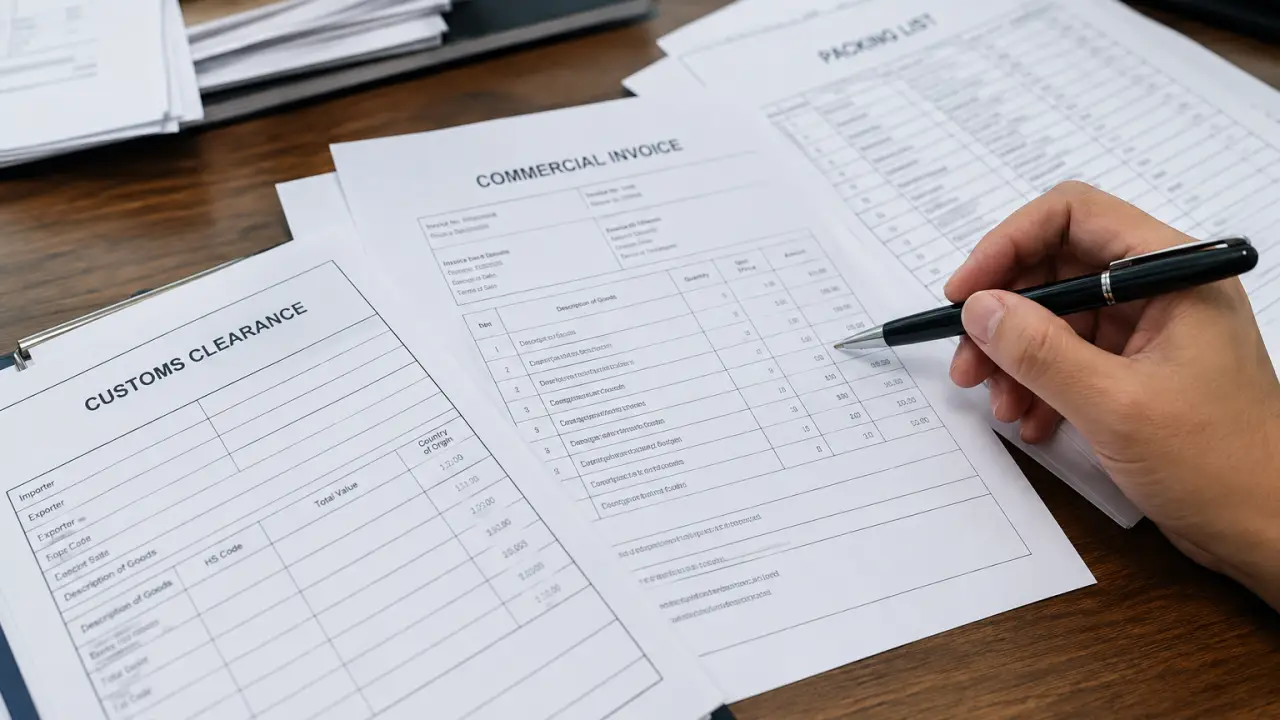
Commercial inflatables typically classify under HS chapter 9506 (articles for general physical exercise, gymnastics, or outdoor games) or occasionally 9503 (toys) depending on the specific product and intended use — confirm the correct fracción arancelaria with a licensed customs broker (agente aduanal) rather than assuming, since misclassification is a common cause of delayed clearance and retroactive duty assessments. If you're importing for resale or fleet use rather than one-off retail, ask your broker whether an IMMEX program (Mexico's maquiladora/manufacturing import program) applies to your business model — it doesn't fit every importer, but for repeat commercial-volume buyers it can meaningfully change the duty and VAT treatment on inbound shipments.
Mexico requires a customs broker for commercial imports above a minimal threshold, unlike some markets where self-filing is an option — budget the broker's fee into your landed cost from the first quote, not as an afterthought once the shipment has already left China.
Guatemala, Honduras, El Salvador, Nicaragua, Costa Rica, and the Dominican Republic operate under the CAFTA-DR trade framework with the United States, which affects duty treatment on goods with US content but does not directly reduce tariffs on goods shipped factory-direct from China — don't assume CAFTA-DR benefits apply to a China-origin shipment without confirming with a local broker, since this is a common and costly misunderstanding among first-time importers in the region.
Port infrastructure and clearance speed vary meaningfully between Central American countries — Costa Rica's Caldera and Panama's transshipment hubs generally offer faster, more predictable clearance than smaller regional ports, which is worth factoring into your shipping route decision even if it means a slightly longer transit time to reach a more efficient port of entry.
For first-time importers in this region, FOB (Free on Board) is the most common starting point — you arrange and pay for ocean freight and insurance from the Chinese port onward, which gives you more control over routing but requires you to already have a freight forwarder relationship. CIF (Cost, Insurance, Freight) shifts that arrangement to the supplier, which simplifies the process for a first order but typically costs more than arranging freight yourself once you have volume. Confirm which basis a quoted price uses before comparing two suppliers' numbers — an FOB quote and a CIF quote for the "same" price are not actually comparable.
Engage your customs broker before the shipment leaves China, not after it arrives at port — confirming HS classification, required documentation, and (for Mexico) whether IMMEX applies takes time that shouldn't run concurrently with a shipment already in transit. For the underlying supplier vetting and pricing questions that come before this stage, see our wholesale pricing and supplier vetting checklist for bounce castle buyers, or browse the full bounce castle range for current model specifications.
Do I need a different customs broker for Mexico versus Central American countries?
Yes — brokers are licensed per-country, and a Mexican agente aduanal cannot clear a shipment arriving in Guatemala or Costa Rica. If you're importing into multiple countries in the region, budget for separate broker relationships in each.
Does CAFTA-DR reduce my tariffs on inflatables from China?
No — CAFTA-DR governs trade preferences for goods with qualifying US or regional content, not China-origin goods. A China-manufactured shipment clears under each country's standard external tariff schedule regardless of CAFTA-DR membership.
How much time should I budget for first-time customs clearance in this region?
Budget meaningfully more time than a routine repeat shipment — broker engagement, documentation review, and the possibility of a physical inspection on a first-time importer's shipment all add time that a established import relationship typically avoids on subsequent orders.
Get the classification, broker relationship, and documentation sequenced before your shipment leaves China, and clearance in Mexico or Central America is predictable rather than a source of delay. Get in touch with your target country and product mix for guidance on what to prepare.