
A useful commercial inflatable order starts with a clear description of the activity, the available site and the people who will operate it. For buyers searching for juegos inflables or brincolines comerciales, product names are an entry point into the catalogue. They are not a substitute for a model drawing, a specification or operating instructions.
This guide helps rental operators and distributors select between bouncing units, castle-themed structures and bounce-and-slide combinations. It also sets out the information to request before comparing offers. The objective is an order that fits your bookings and handling capacity, with a clear record of what the supplier has agreed to deliver.
Terms such as brincolín, castillo inflable, bounce house and bounce castle may be used differently across catalogues and markets. Do not assume that two names identify different technical categories, or that one name guarantees a particular structure. Confirm the activities the unit supports and whether it is designed for the intended commercial use.
A castle silhouette describes the appearance. A slide, an obstacle section or a wet-use feature describes additional functions that must be specified. Begin with the bouncer range and compare the actual configurations rather than trying to decide between Spanish and English labels.
| Configuration | Buying question | What to check |
|---|---|---|
| Bouncing unit | Does a bouncing activity meet the booking requirement? | User limits, installed dimensions, entry and exit, required operating space and included equipment. |
| Castle-themed unit | Is the theme relevant to the events you actually supply? | The functions within the castle shape, artwork scope, height constraints and the specific model's operating requirements. |
| Bounce-and-slide combo | Will the combined activities suit the site and operating team? | Access between activities, supervision arrangements, transport weight and the complete installed footprint. |
The combo range can help you identify layouts to discuss with the supplier. Do not assume that a slide makes a model suitable for water use. Ask for the intended dry or wet application in writing, together with the model's relevant instructions.
Compare configurations using actual event records where available: usable site space, event type, requested activities, transport limitations and the crew you can provide. A larger unit is not automatically a better purchase if it excludes the sites you serve or exceeds your handling arrangements.
Provide usable length, width and height, and show doors, access routes and other obstructions on a simple plan. Ask for both external dimensions and the operating space specified by the manufacturer. Include the blower or other supply equipment and any required access or fixing areas in the comparison.
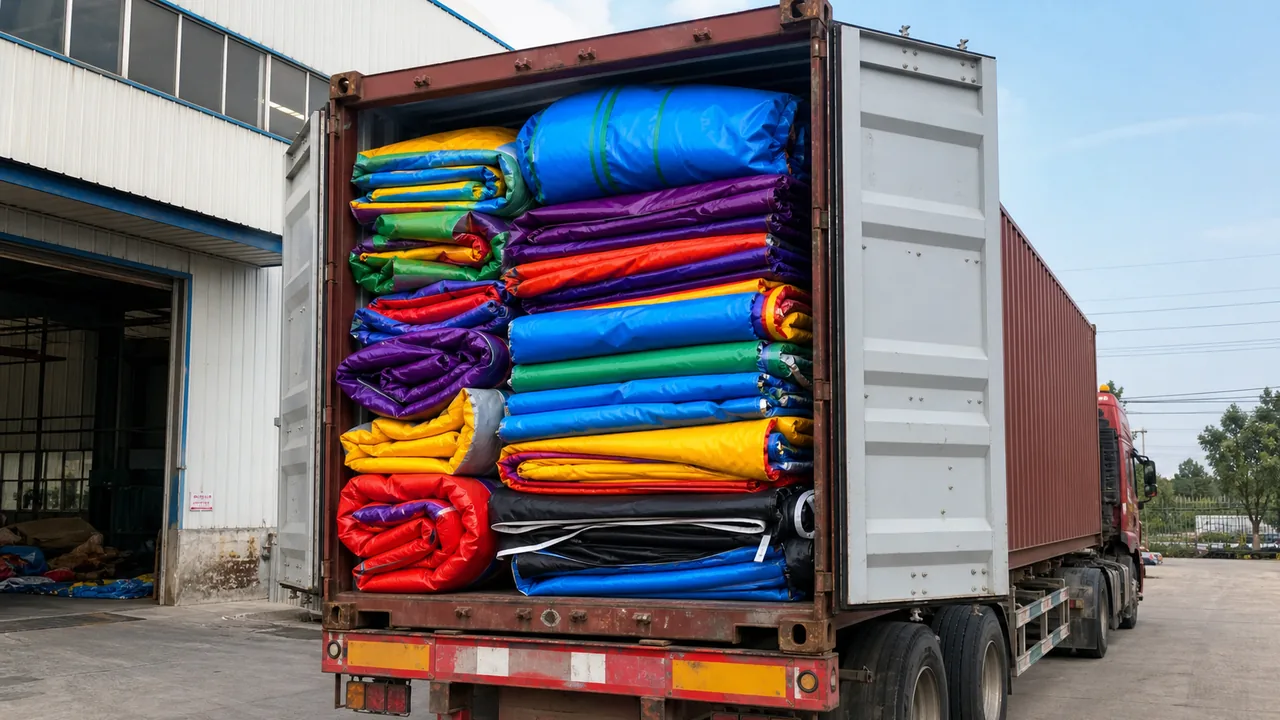
Check packed dimensions and weight against your vehicle, storage and unloading arrangements. A product that fits the event area may still be difficult to deliver through the available entrance. Avoid estimating handling requirements from a photograph of the inflated unit.
The castle sizing guide provides further buying context. For an individual order, use the selected model's documented capacity and user restrictions rather than applying a generic number of children to a floor area. Agree any proposed dimensional change with the supplier before assuming the original specification still applies.
A consistent request makes quotations easier to compare. Include these fields before asking suppliers to price the order:
Ask the supplier to mark inclusions and exclusions explicitly. A quotation should make clear whether the blower, storage bag, repair materials and specified fixing equipment are included. Have technical questions answered before judging which offer provides better value.
Buying directly and buying through a distributor allocate work differently. The appropriate route depends on quantity, availability, customisation, import capability and after-sales arrangements. There is no useful universal markup or guaranteed saving that applies to every order.
Use the direct-import versus local-distributor guide to evaluate the purchasing route once your requirements are clear. Use the wholesale quote and supplier checklist to compare what each offer includes. Keep this comparison separate from deciding which play configuration meets the booking.
Request documents that identify the quoted product and the supplied electrical equipment where applicable. Establish the requirements for the destination and intended venue before finalising the order; do not treat a generic certificate, material thickness or a broad reference to an international standard as proof that every import or venue requirement is satisfied.
Agree what will be checked before dispatch: model identification, dimensions, artwork, accessory quantities and the documents to accompany the shipment. Specify who approves the evidence and how discrepancies are resolved. Keep the approved specification with the order so that receipt checks compare the delivered unit with an agreed reference.
Build the list around events you can service, rather than trying to cover every catalogue category at once. Record why each selected model belongs in the order, what it adds to the existing fleet and what transport, storage or staffing it needs. Review booking results after deployment before repeating or expanding the mix.
For a quotation, send the model shortlist, site information, destination, quantity and required date together. That gives the supplier enough context to flag mismatches early and propose a configuration that your business can actually receive and operate.