
Most import problems with commercial inflatables aren't caught at the sample stage — they show up when a full container lands and a handful of units have a defect the sample didn't have. Pre-order sample evaluation and post-delivery receiving inspection are two different checkpoints catching two different failure modes, and buyers who only do one leave a real gap. This guide covers the specific defects to look for at each stage and how to structure a receiving inspection that actually catches them before units go into service.
A pre-order sample is hand-finished, inspected closely, and represents the factory's best output. A production batch of 200 units run at normal line speed will have more variance — that's not necessarily a red flag, it's why receiving inspection exists as a separate checkpoint. For the sample-stage process itself — what to request, how to evaluate stitching and material quality before committing to a full order — see our 15-point pre-order QC protocol. What follows here is the defect taxonomy and the receiving-side checks that catch problems the sample stage can't.
Look for inconsistent PVC coating thickness (visible as sheen variation across panels), pinholes near seams, and incomplete welds where the seam tape hasn't fully bonded — run a hand along every seam under tension, not just a visual check. Delamination between the fabric backing and PVC coating shows up as a slightly bubbled or peeling texture and is a common defect in batches using inconsistent raw material lots.
Custom-branded units should be checked for color drift between panels (a real risk when a batch spans multiple print runs), registration errors on multi-color logos, and UV-coating consistency — inconsistent UV coating is invisible on delivery but shows up as uneven fading within the first season. Compare a sample from the middle of the production run against your approved artwork proof, not just the first unit off the line.
Check valve seating (a poorly seated valve is a slow-leak risk that won't show up in a quick inflation test), stitching density at high-stress points — corners, handle loops, anchor points — and blower compatibility (confirm the blower port size and CFM rating actually match the unit, since mismatches between a factory's standard blower and a specific product run do happen). For any unit with attached elements — a slide section on a castle, a climbing wall on a combo — check the structural joint between sections specifically, since that's where design and manufacturing shortcuts concentrate.
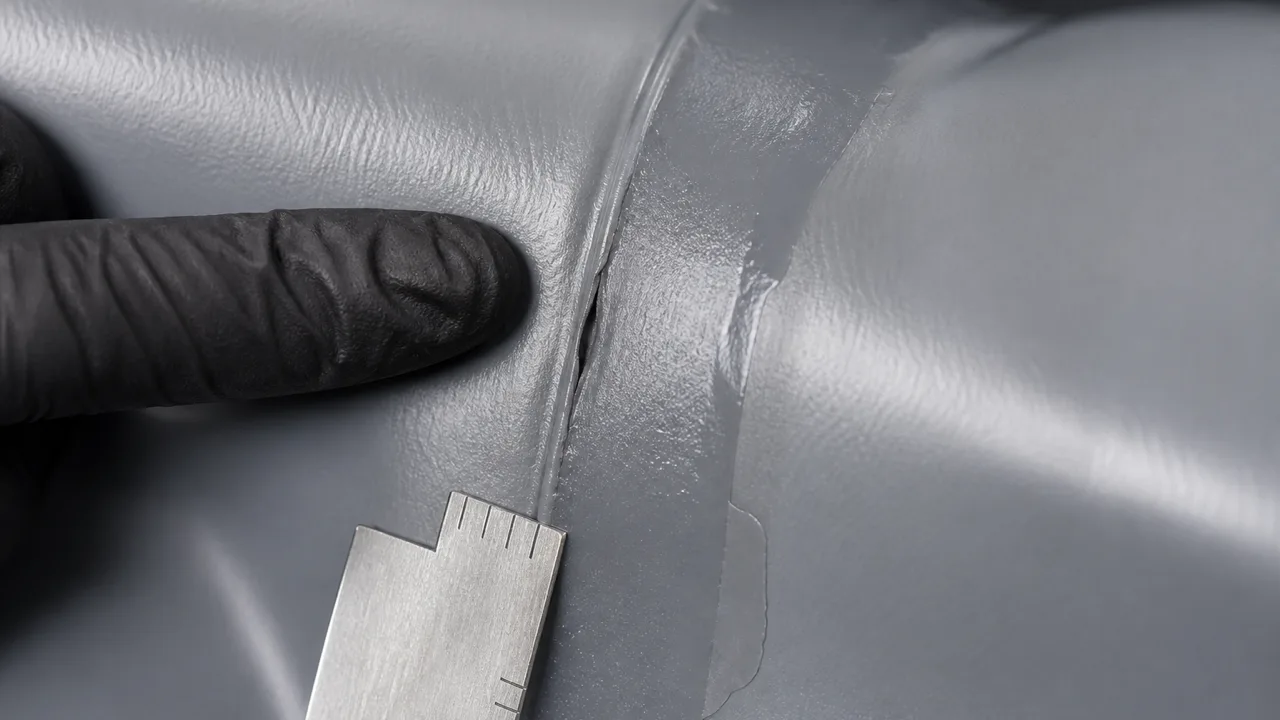
When a container lands, inspect on a sampling basis rather than either 100% or none — a reasonable approach for a batch of 100-200 units is a full inflation-and-visual check on 10-15% of units, weighted toward units from different points in the production run (not just the first pallet unloaded, which tends to be from a single early production batch). Document with photos at receiving, not just a pass/fail note — if a warranty claim comes up later, dated receiving photos are the strongest evidence for a factory dispute.
A single unit with a minor cosmetic defect is a normal production reality and usually not worth a formal claim. A pattern across multiple units — the same seam failure point, the same color drift, the same valve issue — is a batch-level problem worth raising immediately, before the units go into service and the factory's response window closes. Keep your receiving inspection records organized by production date or batch code where the factory provides one; it turns a vague complaint into a specific, defensible claim.
How the claim gets resolved should be settled before the order ships, not after a defect turns up — confirm in writing whether the factory covers replacement units, partial credit, or repair-kit shipment for batch-level defects, and over what claim window. This is a natural extension of the warranty terms negotiated at order time; see our commercial inflatable warranty guide for what's realistic to negotiate on this point before you place the order.
Pre-order sample evaluation and post-delivery receiving inspection aren't redundant — they catch different things. Build both into your standard ordering process, document receiving inspections with photos and batch data, and you'll catch the defects that matter before they become a customer-facing problem in the field.
Browse our 12-point manufacturer vetting guide for the factory-relationship side of quality control, or explore the full inflatable games category for current factory specifications.