
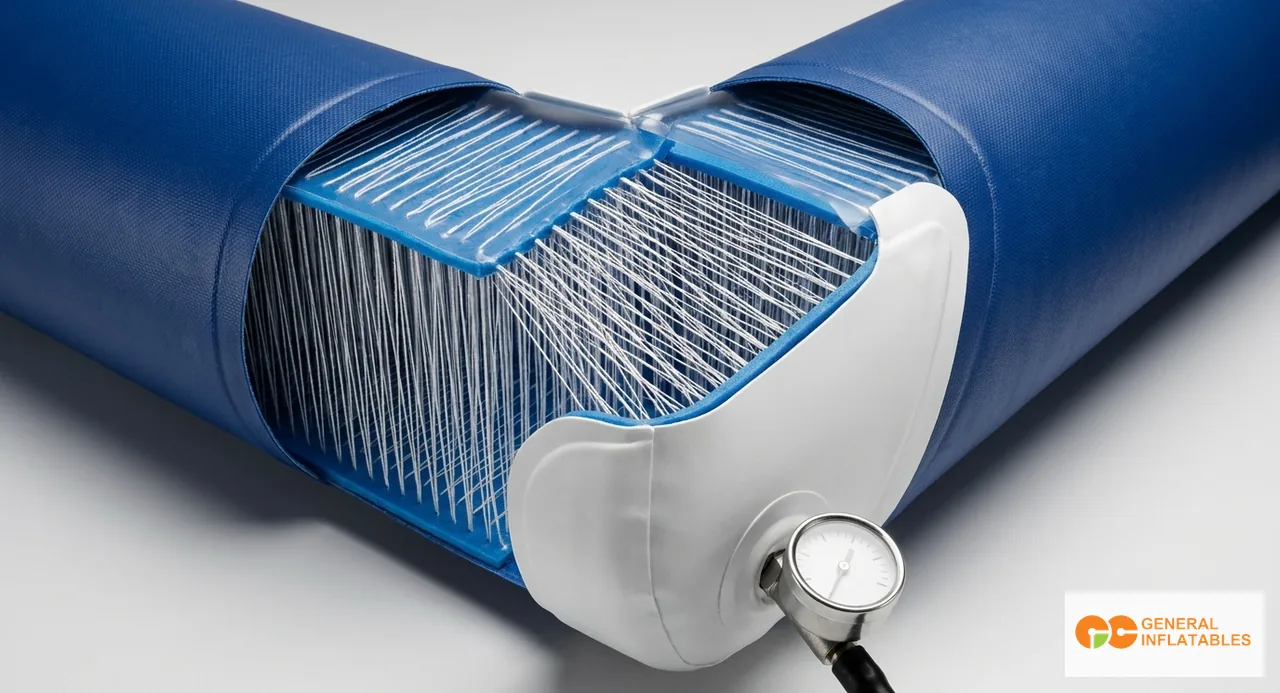
Compare an air-sealed tent and a metal-frame design against the same site brief. In an air-sealed design, pressurised fabric beams form the supporting frame. In a metal-frame design, the specified frame carries the structure. Ask each supplier to identify how its offered model is supported, erected and secured.
| Check | Air-sealed model | Metal-frame model |
|---|---|---|
| Usable span | Drawing showing clear width and headroom inside the beams | Drawing showing clear width and headroom inside the frame and bracing |
| Transport | Packed beam and cover dimensions, weights and handling instructions | Longest frame member, separate package weights and unloading needs |
| Setup evidence | Number of crew, inflation equipment and documented setup conditions | Number of crew, assembly steps and any specified handling equipment |
| Site limits | Model documentation for pressure, anchoring and permitted conditions | Model documentation for support, anchoring and permitted conditions |
Agree when timing begins and ends. A supplier demonstration that starts with unpacked components measures a different job from a crew unloading a vehicle, assembling the tent and completing the required checks. Ask both suppliers to describe the surface, crew size and point at which the venue can take over. Put those assumptions beside the timings on the comparison sheet.
If the venue adds sidewalls, signs or a new entrance arrangement after the first quote, ask for documentation covering the revised configuration. Confirm required review and setup arrangements with the venue. Use the event tent specification and delivery guide for delivery planning, the custom branding guide for artwork approval and the factory RFQ checklist to confirm the scope in writing.