
Search "structure gonflable aquatique" or "jeux gonflables aquatiques" in French and you'll find our themed water play catalog, our adult water park sizing guide, and our TCO comparison — but nothing that actually explains what an aquatic play structure is, what formats exist, and how to choose between them before diving into a specific product line. This guide is that starting point.
The category covers airtight inflatable equipment designed for open-water or shallow-pool play — as distinct from a traditional above-ground or in-ground swimming pool, which is a static containment structure rather than a play format. An aquatic play structure is built to float or anchor in a body of water (lake, resort pool, purpose-built basin) and provide an activity — climbing, sliding, obstacle navigation, bouncing — rather than simply containing water. Our full range is under Airtight Water Play.
A campground or small resort typically starts with a single floating obstacle course (6-10 modules) sized for a defined swim area, while a larger resort or water park installation combines multiple format types — a floating course plus standalone interactive games plus a shallow-play zone for younger guests — across a larger water surface. Our adult water park sizing and load rating guide covers module counts and site requirements in more depth for larger-scale installations, and if you're comparing this investment against a traditional pool build, our 5-year TCO comparison breaks down the cost and lifespan numbers side by side.
Open-water installation (lake, reservoir, coastal concession) requires anchoring rated for current and wind load rather than the fixed-point anchoring a pool basin allows, and most operators budget for seasonal removal and storage rather than year-round placement given weather exposure. Pool-basin installation is comparatively simpler — anchor points connect to the pool structure itself — but the water surface area limits how many modules fit, which is why pool installations tend toward the standalone interactive game format rather than a full floating course. Confirm your body of water's depth, current, and seasonal water-level variation with your supplier before finalizing a module count, since these factors affect anchor spec more than dry-land equipment.
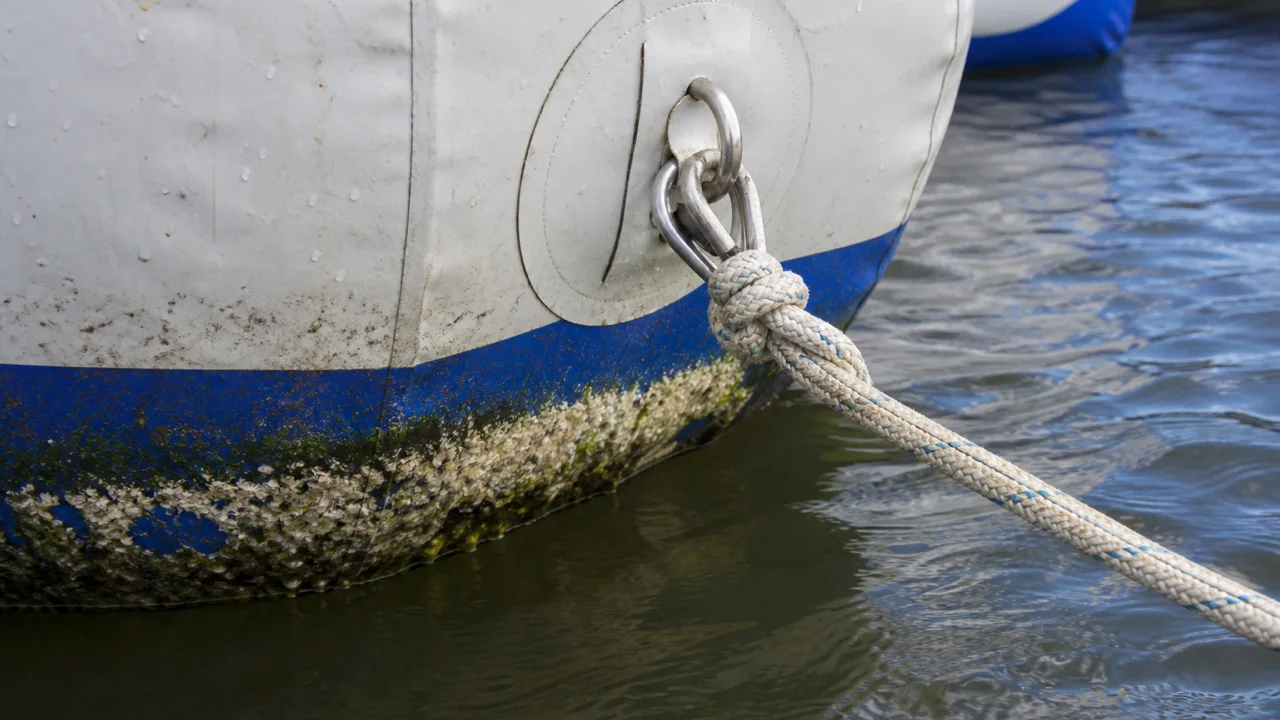
Aquatic play structures in open water accumulate algae and biofilm faster than any pool-based or dry-land inflatable, since they're in constant water contact rather than periodic exposure — plan for a more frequent cleaning cycle than a standard water park maintenance schedule assumes, particularly on the underside of floating modules where buildup isn't visible from the surface. UV exposure is also more constant on open water than shaded resort pool installations, which affects the material spec worth requesting from your supplier for a lake or coastal placement versus a covered pool basin.
Can a floating obstacle course be installed in open water like a lake, or only in a pool?
Both — but open-water installation needs current and wind-rated anchoring rather than the simpler fixed-point anchoring a pool basin allows, and most operators plan for seasonal removal given weather exposure.
How many modules does a small campground installation typically need?
Most campground and small resort operators start with 6-10 connected modules for a defined swim area, scaling up only if guest volume and water surface area support a larger course.
Whether you're planning a first floating course for a campground swim area or a full multi-format installation for a resort, our team can help match module count and anchoring spec to your specific body of water.