A commercial inflatable pool that isn't cleaned on a defined schedule fails in a predictable order: algae growth first, seam and material staining next, then the mildew smell that gets a unit pulled from bookings entirely. This guide is the operator-facing SOP — what to clean, how often, and the chemical parameters that keep a pool bookable rather than reactive maintenance after a complaint.
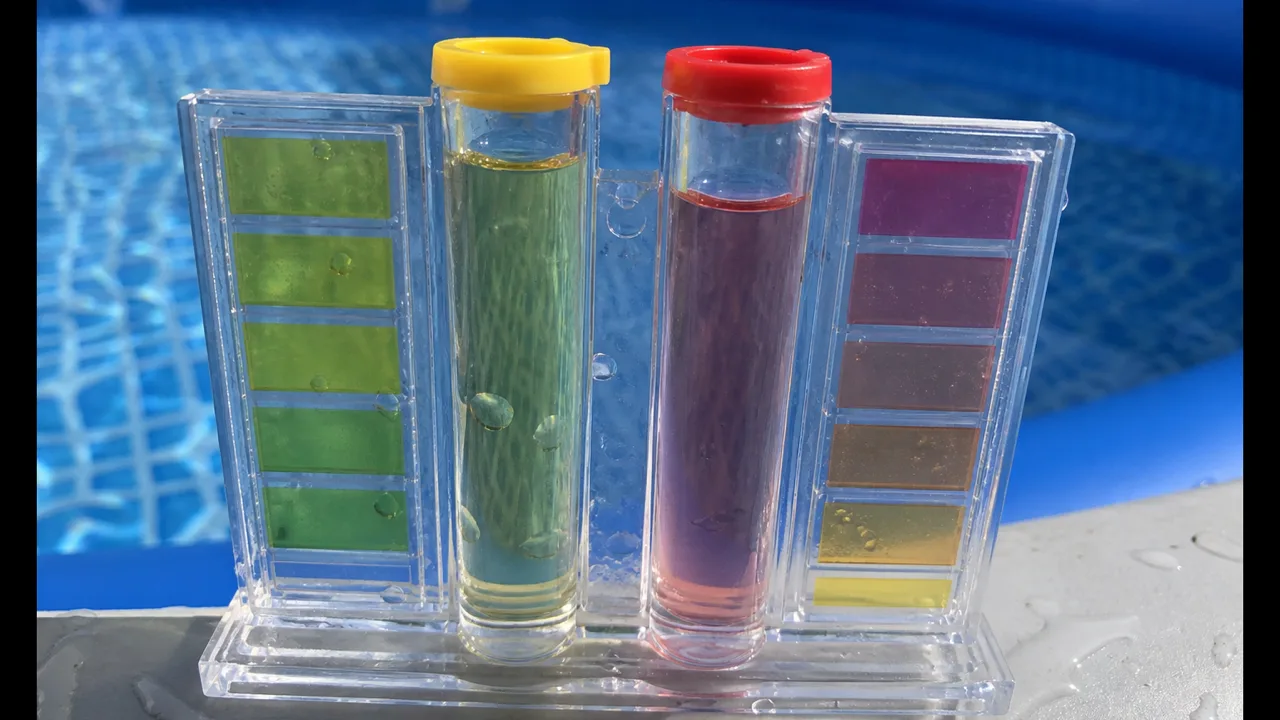
Target ranges for a commercial inflatable pool track standard pool chemistry closely, with one adjustment: PVC surfaces tolerate chlorine well but are more sensitive to pH swings than tiled or fiberglass surfaces, so tighter pH control reduces long-term material degradation. Maintain free chlorine in the standard commercial range for your jurisdiction, pH in the 7.2–7.6 range, and total alkalinity as a buffer to keep pH from swinging between readings. Confirm the exact regulatory range for your operating location, since commercial pool chemistry requirements vary by jurisdiction and inflatable-specific guidance doesn't override local public pool codes where they apply.
Mold needs moisture, organic matter, and time — removing any one of the three prevents it. In practice: maintain chemistry within range so algae and biofilm can't establish (removes organic matter), ensure the pool dries fully between uses where operationally possible (removes moisture), and don't let cleaning tasks slip past their scheduled interval even during slow booking periods (removes time). If mold does appear despite prevention, address it immediately rather than waiting for a deeper clean cycle — established mold in PVC seam grooves is significantly harder to fully remove than a fresh spot caught early.
Chemistry won't stabilize despite regular dosing: check filter flow rate and turnover time before adding more chemical — an undersized or clogged filtration system is the most common root cause operators misdiagnose as a dosing problem.
Cloudy water that clears and returns: usually points to inconsistent brushing allowing biofilm to redevelop between cleanings rather than a chemistry issue alone.
Persistent odor despite clean-looking water: check less-visible zones — behind steps, in corner seams, under any accessory attachments — where organic matter accumulates without being visually obvious.
A written cleaning schedule assigned to specific staff, with a simple daily/weekly/monthly checklist, prevents tasks from being skipped during busy booking periods — which is when skipped maintenance most commonly happens and when the consequences (a complaint, a pulled booking) cost the most. Our full commercial pool range is under Airtight Pools, and for the material-side maintenance considerations specific to PVC structures, our water slide cleaning and mold prevention SOP covers a closely related maintenance workflow for wet-use PVC equipment. If a unit shows air loss rather than a chemistry or cleanliness issue, our repair vs replace decision matrix covers that separate diagnostic path.
How often should a commercial inflatable pool be cleaned?
Daily skimming and chemical checks, weekly brushing and filter maintenance, and monthly deeper cleaning covers most commercial operating schedules — adjust frequency upward during peak booking periods with heavier bather load.
What causes mold in an inflatable pool that's chemically balanced?
Mold can still develop in low-flow zones with inconsistent brushing, or from incomplete drying during storage, even when overall water chemistry reads within range — check corners, seams, and behind any accessories specifically.
If you're setting up a maintenance schedule for a new commercial pool installation, our team can help match a cleaning cadence to your specific bather load and operating season.