Choosing an event tent format — a chapiteau silhouette, a standard promotional canopy — is a different decision than choosing how that tent gets branded. Most French buyers research the format first and only discover the printing production timeline late, after the tent shape and supplier are already decided, which is exactly when a slow proofing cycle or a printing method mismatch turns into a delivery-date problem.
This isn't a tent format guide — our chapiteau and barnum tent guide for the French market covers circus and banquet-format sizing, and our structure gonflable sourcing guide covers the general supplier and import process. For the general branding artwork-approval workflow that applies across markets, see our custom branding and artwork guide. This one covers what happens between "we chose a supplier" and "the branded structure ships": the printing methods, the approval cycle, and the realistic production timeline.
Full-surface digital printing applies artwork directly across the entire panel during fabrication, producing photorealistic detail and gradient colors without visible seams between design elements — this is the standard method for complex branding, festival theming, or any design with fine detail. Cut-panel appliqué sews pre-printed or solid-color fabric panels into the structure, which works well for simple logo shapes and high-contrast branding but shows visible panel seams and can't reproduce fine gradient detail. Confirm which method your quote assumes before comparing prices between suppliers — the two methods carry meaningfully different costs and are not interchangeable for the same visual result.
The proofing cycle, not production itself, is where most French buyers lose the most calendar time without realizing it. A realistic sequence: digital proof sent for review (allow several days for internal brand approval on your side, not just the supplier's turnaround), revision rounds if colors or logo placement need adjustment (each round adds several more days), and final sign-off before cutting or printing begins. Buyers who assume the proofing stage takes "a day or two" are the ones most likely to see their overall timeline slip — budget 1-2 weeks for this stage specifically, separate from production time.
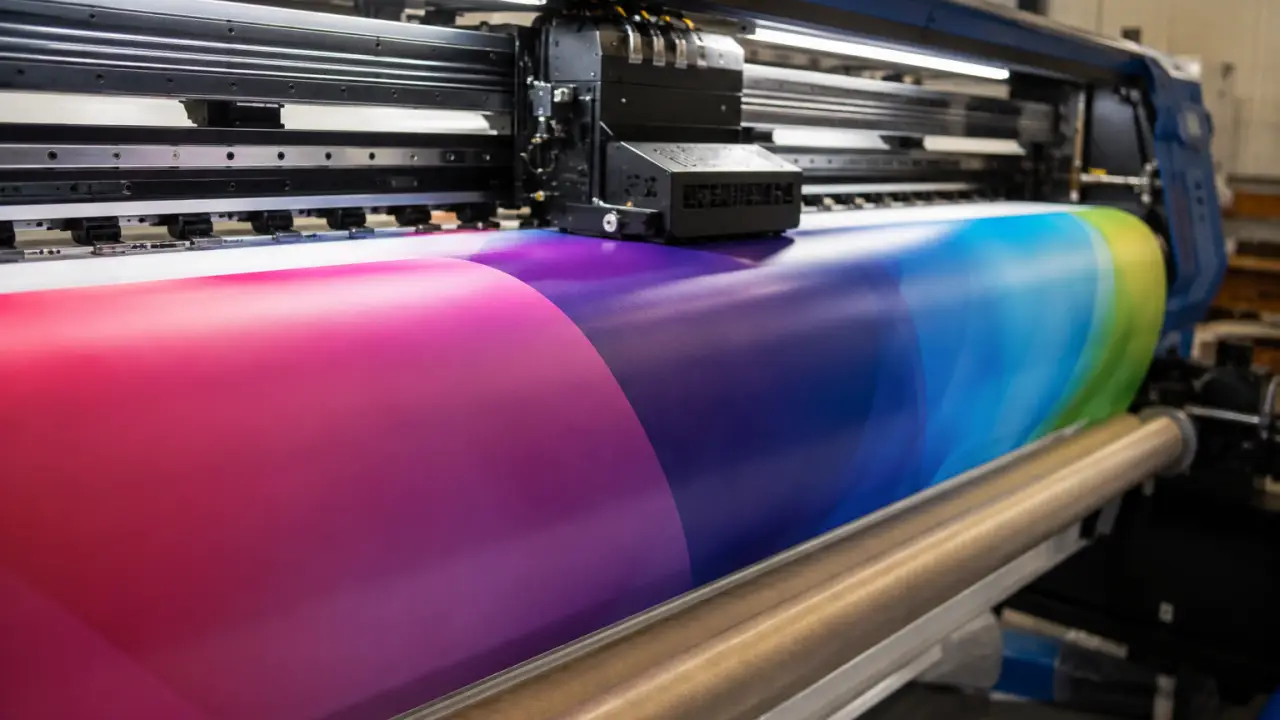
Once artwork is approved, budget 3-4 weeks for production of a standard custom-printed structure, then freight: sea freight to Le Havre or Marseille followed by inland transport typically runs 5-7 weeks total to most French cities, while air freight compresses this to 1-2 weeks at a significantly higher per-shipment cost. For a fixed event date, work backward from that date and treat the proofing cycle above as a separate line item in your timeline — a buyer who only budgets "production plus freight" and forgets the proofing stage is the one who ends up requesting air freight at the last minute to make an event date.
A commercial invoice matching the declared value and HS classification exactly, a certificate of origin, and EN 14960 or CE conformity documentation (for structures where it applies) should accompany the shipment. Confirm the correct tariff classification with your customs broker before the shipment leaves China rather than after arrival — a misclassified shipment is one of the most common causes of a clearance delay at French ports, and that delay compounds on top of whatever time the proofing and production stages already used.
A meaningful price comparison requires knowing which printing method each quote assumes, the panel count and complexity of your specific artwork, and whether the quote includes the full proofing cycle or only production. Ask each supplier to quote against the identical specification sheet and printing method rather than describing your design verbally to each one differently, since inconsistent requests are the most common reason buyers end up comparing numbers that aren't actually comparable. Browse the full inflatable tent range for current model dimensions and printable surface area to check against your artwork before requesting quotes.
Can the approval cycle be sped up to meet a fixed event date?
Yes, partially — committing to fewer revision rounds and having your final brand guidelines and logo files ready before the first proof request removes the most common source of delay, though the supplier's own proofing turnaround still applies.
Does the printing method affect the structure's durability?
Full-surface digital printing generally holds color and detail better under UV exposure over multiple seasons than a cut-panel appliqué with printed sections, though both methods use UV-treated fabric as the base material.
Should you order a sample before a full production run?
For a first order with a new supplier, yes — a physical color and print-quality sample catches mismatches before they're built into a full production run, which is worth the added time on any first-time supplier relationship.
Know which printing method you're actually quoting, budget the proofing cycle as its own timeline item, and get the customs documentation confirmed before the shipment leaves China — that combination is what keeps a custom French event structure order on schedule. Get in touch with your event date and artwork concept for a timeline-matched quote.
For related buying considerations, see our comparison of full-print, hand-painted, and banner art printing methods.