
Most buyers plan their inflatable order around when they want the units to arrive, then get surprised when the math doesn't work out for a summer launch date. The reliable way to plan is backward: start from your target in-service date, subtract each stage of the timeline, and see what order date that actually requires — not the other way around.
This isn't a general lead-time breakdown — our lead time explained guide covers the standard 25-45 day production timeline itself. This one is specifically about working backward from a summer season target date, including the ocean freight and peak-season factors that a generic lead-time number doesn't account for.
Start with the date you actually need units in service, then subtract in this order: on-site setup and staff training time, inland transport from port to your location, ocean transit time, production time, and artwork approval time if the order includes custom branding. Each stage has its own realistic minimum — compressing one stage to save time usually just shifts the pressure onto whichever stage gets squeezed, often at a cost premium.
Ocean freight demand isn't flat across the year — freight capacity tightens and transit reliability can dip during peak shipping periods when many importers across unrelated industries are competing for the same container space ahead of their own seasonal demand. Ordering with a comfortable buffer before your actual target date matters more heading into a demand-heavy shipping window, since a delayed sailing during a tight-capacity period has less room to recover than the same delay during a quieter shipping month.
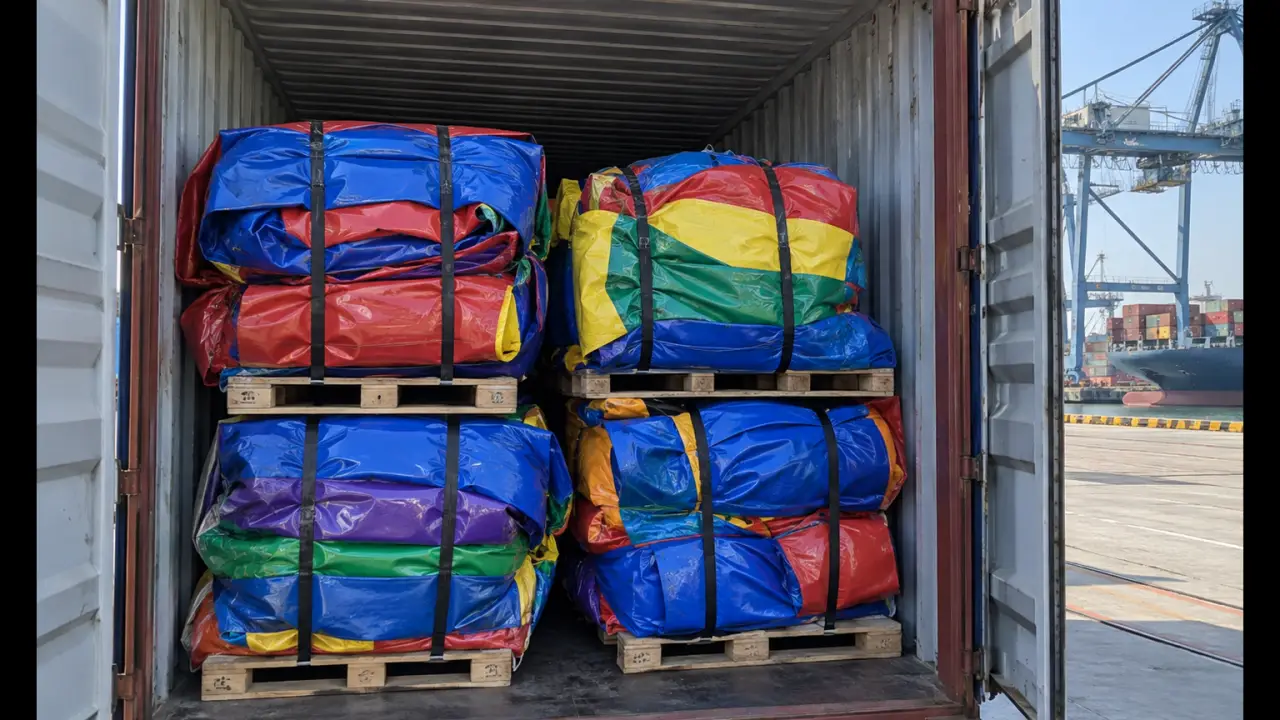
Add buffer at the two stages most likely to slip: production (factory schedules shift with their own order volume) and ocean transit (subject to port congestion and sailing schedule changes) rather than assuming both will land exactly on the quoted timeline. A buyer targeting a hard season-opening date should treat the quoted lead time as a floor, not a guarantee, and build in enough margin that a modest delay at either stage doesn't push past the actual in-service date needed.
Don't compress your pre-shipment inspection out of the schedule to save time — catching a quality issue before the container sails is far cheaper than discovering it after arrival with no season left to fix it. Our pre-order QC evaluation protocol covers what to check and how to build inspection time into your ordering timeline without treating it as an optional step you can skip under time pressure.
A order sized below your supplier's standard minimum can add its own delay if it has to wait to be combined with other production runs to fill a line efficiently — confirm your order volume against realistic minimums early in the planning process rather than discovering a MOQ mismatch after you've already worked backward to a tight timeline. Our MOQ reality check by category covers realistic minimums across product types so you can size your order to avoid this specific delay.
If working backward from your target date shows you're already past the ideal order window, air freight can compress the transit-time portion of the timeline significantly, at a meaningfully higher per-shipment cost — weigh that premium against the cost of a delayed or shortened season opening. Confirm with your supplier whether production time itself has any flexibility (rush production is sometimes available at a premium) before assuming air freight is the only lever left to pull. Browse the full inflatable games range to confirm current stock-color availability, since in-stock units on a standard color can sometimes skip the production wait entirely for a genuinely tight timeline.
How far in advance should I order for a summer season opening?
Work backward from your target date using realistic minimums for each stage (artwork approval, production, ocean transit, inland transport, setup) plus buffer — there's no single universal number, since it depends on whether your order includes custom branding and your specific shipping lane.
Does ordering earlier always mean better pricing?
Not necessarily, but ordering with buffer before a demand-heavy shipping period generally reduces the risk of paying an air-freight premium later to recover from a delay that a tighter timeline had no room to absorb.
Can I skip pre-shipment inspection to save time on a tight timeline?
This is not recommended — a quality issue caught after the container arrives with a fixed season opening date already committed is far more costly than the time an inspection adds to the schedule.
Work backward from your actual target date rather than forward from an order date, build buffer into production and ocean transit specifically, and don't compress quality inspection out of the schedule — that sequence is what gets units in service on time for a fixed season opening. Get in touch with your target date and order details for a season-timed quote.