If you sell or rent commercial inflatables in Germany, Austria, or Switzerland, sooner or later a buyer will ask one question: "Is it TÜV certified?" For many DACH operators that line decides whether a deal moves forward at all. Yet TÜV is one of the most misunderstood terms in the inflatable trade—buyers think it is a standard, factories treat it as a sticker, and both sides end up surprised when units get held up. This guide walks through how TÜV inflatable certification actually works, so you can plan documents, budget, and lead time before the unit is even cut.
TÜV is not a standard. It is a family of independent German testing and inspection organizations—TÜV SÜD, TÜV Rheinland, TÜV NORD and others—that verify a product against an existing standard and issue a third-party report or mark. For inflatables, the reference standard is EN14960. So when a German buyer asks for a TÜV certified bounce house, what they are really asking is: has a recognized neutral body inspected this unit and confirmed it meets EN14960?
This distinction matters commercially. A factory can self-declare conformity, but a TÜV report carries weight because the inspector has no stake in the sale. In the DACH market—where rental operators carry strong liability exposure and insurers and venues often ask for proof—that neutral signature is close to a purchase requirement, not a nice-to-have. We won't re-cover the EN14960 clauses here; if you need the standards comparison, see our breakdown of EN 14960 vs ASTM safety standards. This article stays on the TÜV process, cost, and timeline.
The path is more predictable than most first-time importers expect. A typical TÜV inspection route looks like this:
The key insight: certification is mostly won or lost at steps 2 and 3. A clean document package and a sample built exactly to drawing is what gets a unit through on the first attempt.
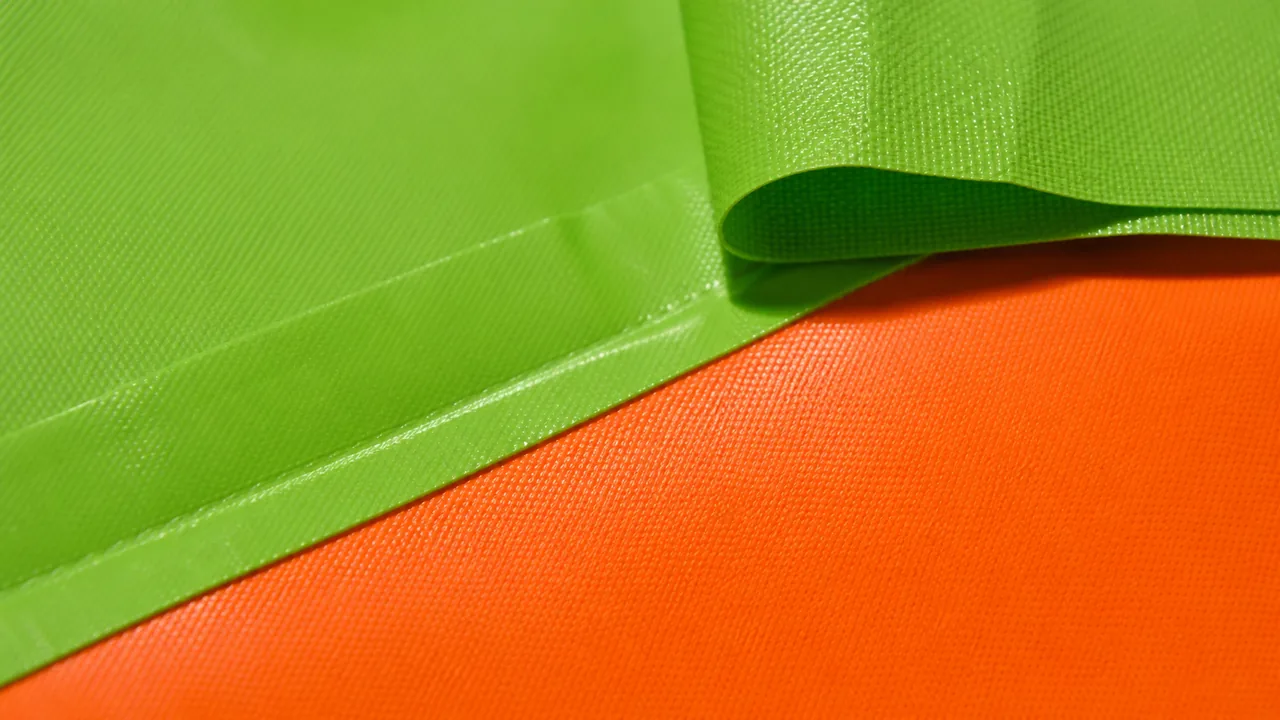
This is where deals stall. Buyers assume "TÜV certified" is binary; in reality the inspector needs a defensible paper trail. Before testing, a competent factory should have ready:
If your supplier can hand this over without scrambling, that is a strong signal they have run the process before. If they go quiet when you ask for material certificates, treat it as a warning.
Lead time is the part importers underestimate. From scope agreement to issued report, plan for several weeks under normal conditions—longer if a corrective-action loop is needed or if the test body's lab is busy. The single biggest schedule killer is failing the first inspection, because rework plus re-testing can add as much time again. Build TÜV into the production schedule from day one rather than treating it as a final step.
On cost, we won't quote figures because they swing widely, but the drivers are consistent:
The cheapest path is almost always to pass cleanly the first time—which loops back to document quality and build accuracy.
Most first-attempt failures fall into a short list: containing-wall heights below spec, too few or under-rated anchor points, fabric without a valid fire-behavior certificate, electrical or blower documentation missing, and—surprisingly often—a sample that differs from the submitted drawings. The fix is process discipline: lock the drawings, build the sample to match, and assemble the document file before booking the inspection. For the wider compliance picture beyond TÜV, our guide on importing inflatables into the EU covers how certification fits with CE marking and customs.
Don't leave certification to good intentions. In your purchase agreement, specify the exact standard (EN14960), name TÜV third-party verification as a deliverable, and make the inspected configuration explicit. State who pays for testing and—critically—who absorbs the cost and delay of any re-testing if the unit fails. A clause that puts rework risk on the factory aligns everyone's incentives toward a first-pass result. Define the certification documents as a shipment release condition so units don't leave the line uncertified. The same discipline applies whether you are ordering a single unit or a fleet of commercial inflatable bouncers.
TÜV is not a separate standard to fear—it is the neutral, German-recognized verification that your inflatable meets EN14960, and DACH buyers treat it as the price of entry. Understand the process, demand a complete document package, build the sample exactly to drawing, and write the terms into the contract, and certification becomes a scheduled task rather than a shipment-blocking surprise.
Looking for a factory that ships TÜV-ready commercial inflatables to the EU with the documentation already prepared? Send us your target market and product, and we will quote with the certification path built in.