Choosing a commercial inflatable supplier comes down to a handful of decision points that determine whether an order goes smoothly or turns into a months-long headache. This is a quick-reference version of that decision — the direct answers to the questions buyers actually ask before committing to a factory, plus a scorecard to compare suppliers side by side. For the deeper due-diligence process behind each answer, see our 12-point manufacturer vetting checklist.
Whether the factory has verifiable export experience to your specific market, not just "export experience" in general. A factory that regularly ships to the EU has EN 14960 documentation reflexes built into its process; one that's only shipped domestically within China may not, even if the product quality itself is fine. Ask for reference shipments to your target country before anything else.
For a new factory relationship with no prior track record, plan on 2-4 weeks of documentation review and sample evaluation before placing a first production order. Rushing this to hit a launch date is the single most common cause of first-order problems — the vetting time is cheap insurance against a production run that fails inspection or arrives with defects.
Request the specific standard for your target market rather than a generic "quality certificate": EN 14960 for the EU, ASTM F2374 for the US, and any market-specific inspection regime (RPII for the UK, TÜV for Germany) layered on top where applicable. A factory that can name these standards unprompted and produce test reports is a stronger signal than one that offers only a general ISO certificate.
Three is the practical minimum for a meaningful comparison — enough to spot an outlier quote (unusually low or unusually vague) without spending weeks managing parallel conversations. Send every factory the same spec sheet so quotes are actually comparable rather than each factory filling in different assumptions.
25-45 days for a standard production run is typical, longer for custom artwork or first-run designs. A quote significantly faster than that for a full container order is worth questioning rather than celebrating — it usually means either an existing stock item being repackaged as custom, or a corner being cut somewhere in testing or QC.
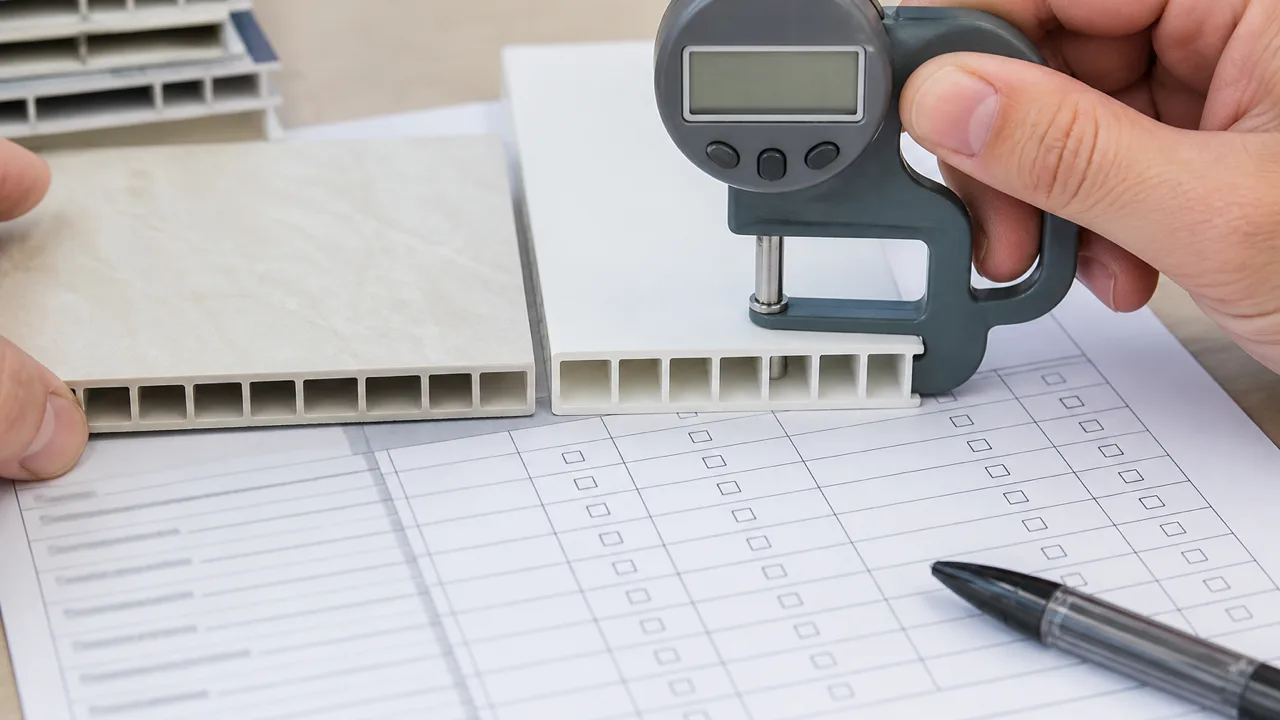
Score each candidate supplier 1-5 on the factors that actually predict a smooth order, and total the columns before deciding — a factory that scores well on price but poorly on documentation is a worse bet than the scorecard's price column alone would suggest.
| Factor | What to check | Weight |
|---|---|---|
| Market-specific documentation | Test reports for your target market's standard, not just a generic certificate | High |
| Reference shipments | Verifiable prior exports to your country or region | High |
| Sample quality | Stitching, material weight, valve seating on a physical pre-order sample | High |
| Communication responsiveness | Clear, specific answers during the quote process — a preview of order-stage communication | Medium |
| Lead time realism | Quoted timeline consistent with industry norms, not suspiciously fast | Medium |
| Pricing structure clarity | Landed cost broken out clearly, not just a bundled unit price | Medium |
Once a supplier clears the scorecard, the next checkpoints are a formal sample order and a documented production timeline before the full order ships — treat vetting as ongoing through the first order rather than a one-time gate you clear before moving on. For what to inspect once the sample or the first production batch actually arrives, see our defect checkpoints and receiving inspection guide.
Choosing a supplier is a short list of specific, checkable questions rather than a vague gut call — market-specific documentation, verifiable reference shipments, and a real sample are the three checks that catch most problems before they become expensive ones. Use the scorecard to compare candidates objectively, and lean on the fuller supplier shortlisting guide when you're starting from a broader search rather than comparing a short list.
Browse the full inflatable games category for current factory specifications.
For related buying considerations, see our complete guide to where to buy commercial water slides and bounce houses.