Most importers think the hard part of buying commercial inflatables is the factory audit. It isn't. By the time you're auditing, you've already committed weeks to a shortlist — and if that shortlist is wrong, no audit saves you. In practice, getting supplier selection right is roughly 90% decided at the sourcing and screening stage: choosing the right channels, separating real factories from traders, and reading a handful of early signals before anyone books a QC inspection. Nail the front end and you eliminate most of your risk before deep verification even starts.
This guide covers the upstream half of inflatable supplier sourcing — where to look and how to shortlist. When you're ready to verify a finalist in depth, we hand you off to a dedicated audit checklist at the end.
There's no single "best" place to find an inflatable manufacturer. Each channel surfaces a different mix of factories, traders, and agents, and each has a different failure mode. Here's how experienced buyers actually use them.
The default starting point. Volume is huge and you can filter by certification, response rate, and transaction history in an afternoon. The catch: platform listings mix genuine manufacturers with trading companies that resell the same units, and "verified" badges usually confirm a business license — not production capability. Treat platforms as a lead-generation funnel, not a vetting tool. Build a long list here, then screen hard.
Nothing compresses sourcing time like walking a hall. Canton Fair inflatables exhibitors let you touch PVC samples, inspect stitching and welding in person, and read body language during price talk in minutes — work that takes weeks over email. Amusement and leisure expos (IAAPA-style events, regional attraction shows) skew toward specialists in commercial games and attractions rather than generalists. Shows are the fastest way to move a name from "maybe" to "shortlisted."
A good agent already knows the factory landscape and can pre-filter for you, which saves time if you're new to the category. The trade-off is a layer between you and the maker, plus a commission — and some agents are effectively traders in disguise. Useful for first-time importers; less necessary once you can read the signals yourself.
Once you know who the real manufacturers are, contacting them directly cuts out the reseller margin and gives you a straight line to production and OEM/ODM conversations. This is where most repeat buyers end up. If you want the full playbook on going straight to the source, see our factory-direct inflatable sourcing guide.
Across every channel, the single most valuable skill is telling a factory from a trader — so let's make that concrete.
The inflatable factory vs trader question decides your pricing, your quality control, and your ability to customize. Traders aren't automatically bad — a strong one can consolidate orders — but you need to know which one you're talking to, because it changes everything downstream.
A quick video call walking the production floor settles it faster than any email thread. If they can't or won't show the workshop, you have your answer.
Before you invest in a deep audit, a handful of cheap-to-check signals will separate serious partners from time-wasters. This is the core of pre-audit screening — knock out weak candidates now, and only spend real diligence on the two or three that survive.
Match the factory's real output to your order size and timeline. A workshop that hand-builds custom themed attractions may struggle with a 200-unit repeat run of standard bouncers, and vice versa. Ask about monthly capacity, lead times in peak season, and the MOQ — and check whether their specialty lines up with what you're buying, whether that's a broad commercial inflatable games range or a narrow attraction category.
For commercial buyers this is non-negotiable. EN 14960 (Europe), ASTM (US), and TÜV or RPII documentation should be on hand for the markets you sell into. A supplier who treats certification as an afterthought will cost you at customs or on your first liability claim.
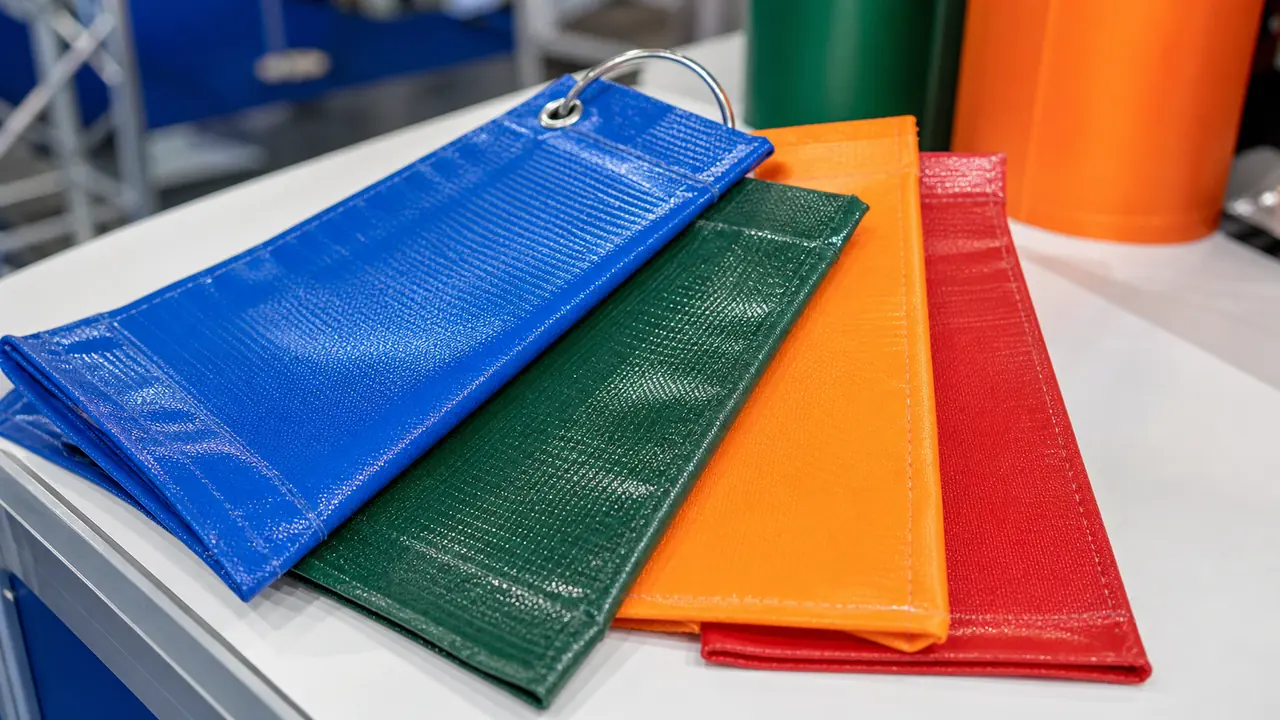
Never skip the sample. It's your cheapest window into real build quality — seams, valves, material weight, and print. Set clear acceptance criteria before it ships so you're judging against a spec, not a vibe. Our pre-order sample QC protocol walks through exactly what to check on that first unit.
Underrated, and highly predictive. Response speed, English clarity, and how a supplier handles a hard technical question tell you what working with them for a year will feel like. Sloppy quoting and dodged questions during courtship rarely improve after the deposit lands.
If you can attend one event, make it count. Pre-register and map the halls before you arrive — at a show the scale of Canton Fair, the inflatable specialists cluster in specific zones, and wandering wastes your best asset, which is time. Bring a one-page brief of your target products, volumes, and target markets so quotes are comparable. Photograph welds and seams (with permission), collect samples where offered, and note which exhibitors answer technical questions cold versus which reach for a catalog. Follow up within a week while faces and conversations are still fresh — the shortlist you build on the floor is only as good as the notes you take off it.
Once channels, factory-vs-trader clarity, and early signals have narrowed the field to a few finalists, the game changes from finding to verifying. That's a separate discipline — production audits, capacity proof, compliance validation, and reference checks — and it deserves its own rigor. When you're ready to put a finalist under the microscope, work through our 12-point manufacturer vetting checklist before you commit to a first order.
Get the upstream work right — the right channels, an honest read on factory versus trader, and the early signals above — and you arrive at that audit with a clean shortlist instead of a gamble. That's how professional buyers source commercial inflatables that actually ship on spec, on time, and at the quality your customers expect.
For related buying considerations, see our industry glossary of sourcing and construction terms and our complete guide to where to buy commercial water slides and bounce houses.