A buyer sees a popular cartoon character, likes the design, and asks the factory to print it on a bounce house or a giant inflatable. The factory can usually produce it — printing capability isn't the constraint. Customs clearance is. Licensed characters printed without authorization are one of the most common reasons a container gets flagged, inspected, and in the worst cases seized at the border, and the buyer who ordered the units is the one left explaining the loss to their own customers or event clients.
This isn't a design-approval guide — our custom-branded inflatable artwork specs and approval workflow guide covers the production side. This one covers the legal risk specific to using someone else's intellectual property on a commercial inflatable.
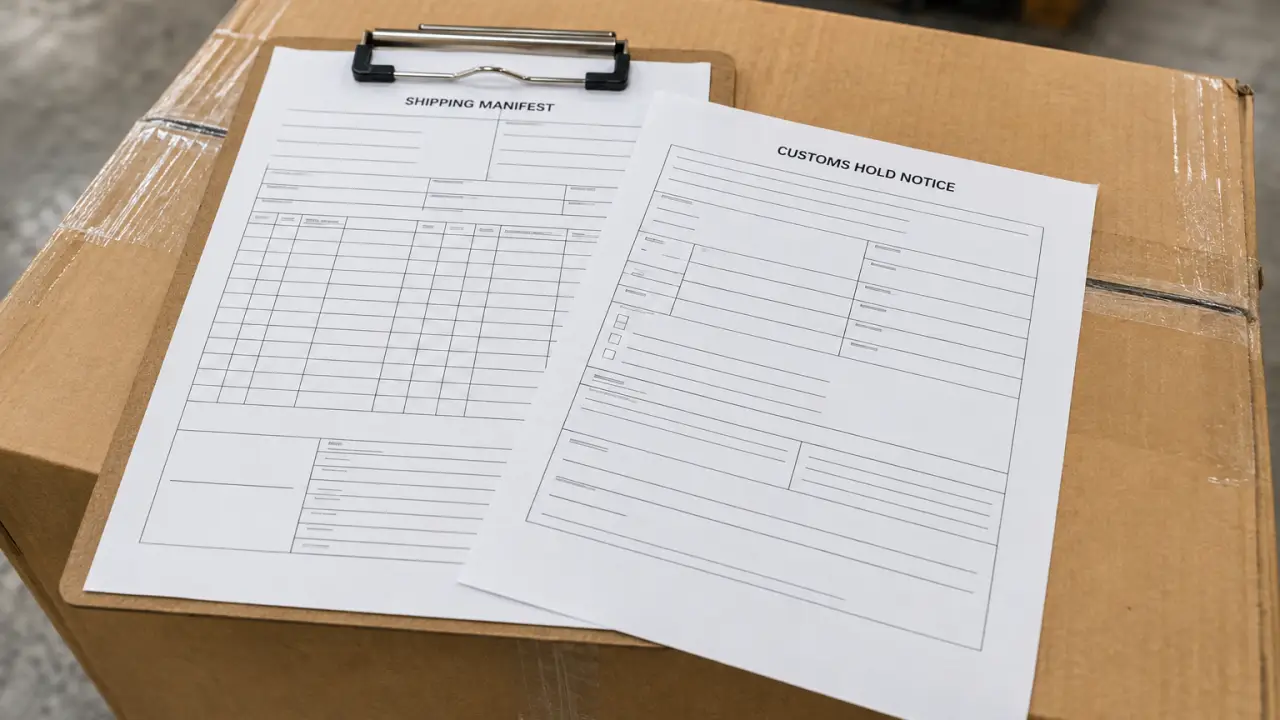
Major rights holders (Disney, Warner Bros, Marvel, and similar franchises) record their trademarks and copyrighted character designs with customs authorities in most major import markets — U.S. Customs and Border Protection's IPR e-Recordation program and the EU's equivalent Customs Regulation framework both let a rights holder flag their IP for automatic inspection. This means an inspector doesn't need to recognize the character personally; a recorded design gets flagged by an automated or trained screening process at the port, independent of whether the importer believed the design was "close enough" to be different from the original.
The risk isn't limited to an exact licensed logo. Close visual derivatives — a character with slightly altered colors, a "generic mouse ears" silhouette, or a knockoff superhero with a changed cape color — can still trigger a hold, since trademark and copyright infringement assessments cover derivative and confusingly-similar designs, not only pixel-perfect copies.
A flagged container is typically held for inspection rather than instantly destroyed, but the practical cost lands on the importer regardless of the outcome: storage and demurrage fees accrue daily while the shipment sits at port, the units inside may be seized and destroyed if the infringement is confirmed, and in some jurisdictions the importer can face a civil penalty separate from the value of the lost goods. Buyers rarely have visibility into which specific SKU in a mixed container triggered the hold, which means one infringing print can delay or forfeit an entire shipment of otherwise compliant units.
The commercial appeal of a licensed character — instant recognition, kid-friendly draw — is achievable without the legal exposure through a few well-established paths:
Browse the full advertising inflatables range for stock and custom design starting points.
Ask directly whether the factory has produced this exact design before and for whom — a factory that has repeatedly printed a recognizable licensed character without a licensing agreement on file is a red flag about their compliance practices generally, not just this one order. Our 12-point manufacturer vetting checklist covers the broader supplier due-diligence questions worth asking alongside this one. Request written confirmation that the submitted artwork is either an original design or covered under a licensing agreement you hold, and keep that confirmation on file; it won't prevent a customs hold by itself, but it matters for how liability gets assigned if a shipment is challenged.
Does a small color change or added accessory make a licensed character design legally safe?
No — trademark and copyright assessments look at overall visual impression and likelihood of confusion, not just exact-match copying. A minor alteration to a recognizable character generally does not remove the infringement risk.
Is the risk different for a one-time event rental versus a permanently owned unit?
The import-side customs risk is the same regardless of end use, since it's assessed at the point of entry before the unit reaches any event. Ongoing use of an infringing design also carries separate liability exposure beyond the import stage, particularly for a business publicly renting out the unit for profit.
Can a factory get a license on the buyer's behalf?
Some larger factories with established retail-licensing relationships can, but this is the exception rather than the norm, and it should be confirmed in writing before ordering rather than assumed. Most commercial inflatable factories manufacture to the artwork they're given and expect the buyer to hold clearance for that artwork.
Choosing an original or fully-licensed design costs less in the long run than a seized container. Get in touch if you want help evaluating whether a design concept sits in safe territory before it goes to production.
For related buying considerations, see our comparison of full-print, hand-painted, and banner art printing methods.