How you pay for a container of commercial inflatables matters as much as the unit price. Payment terms decide two things at once: how much cash you tie up before the goods arrive, and how much risk you carry if anything goes wrong. Get the structure right and you protect your money without scaring off a good factory. Get it wrong and you either overpay upfront with no leverage, or you push so hard the supplier walks away. This guide covers the inflatable payment terms that actually appear on real export contracts: deposit structures, payment methods, Incoterms, and how first-time buyers control risk.
The most common payment structure for commercial inflatables is a deposit before production and the balance before shipment. Typically that splits as 30% deposit to start production and 70% balance once the goods are finished and inspected, though the ratio varies by factory, order size, and how long you have worked together. Some suppliers ask for 40/60 or 50/50 on first orders; established relationships often move toward 30/70 or better.
The logic is simple. The deposit covers the factory's raw material outlay—PVC tarpaulin, thread, blowers, hardware—so they are not financing your order entirely out of pocket. The balance protects you, because it stays in your hands until production is complete and you have confirmed the units are right. Never agree to 100% upfront on a first order. A serious manufacturer does not need it, and paying in full before production removes every bit of leverage you have if quality disappoints.
Three payment methods cover almost all inflatable import deals.
T/T is by far the most common method for orders in this category. You wire the deposit to start production and the balance before the goods leave the port. It is fast, cheap in bank fees, and simple. The trade-off is that T/T offers little built-in protection—your security comes from the deposit/balance split and from inspecting before you release the final payment. For most buyers sourcing one or two containers, a well-structured T/T is the right tool.
An L/C is a bank-backed promise: your bank pays the factory only when they present documents proving they shipped what was agreed. It shifts risk onto the paperwork and the banks rather than personal trust, which is useful for large first orders or when you cannot yet vouch for a supplier. The downsides are real cost and complexity—bank fees, strict document requirements, and disputes if a single field on the bill of lading does not match. L/Cs tend to make sense on higher-value orders; on a small first shipment the fees often outweigh the protection.
Collection (D/P or D/A) sits between the two: the exporter ships, then routes shipping documents through the banks, and you pay (or accept a draft) to get the documents that release the cargo. It is less common for inflatables than T/T but occasionally appears with larger or repeat suppliers. It gives the factory more security than open T/T while costing less than an L/C.
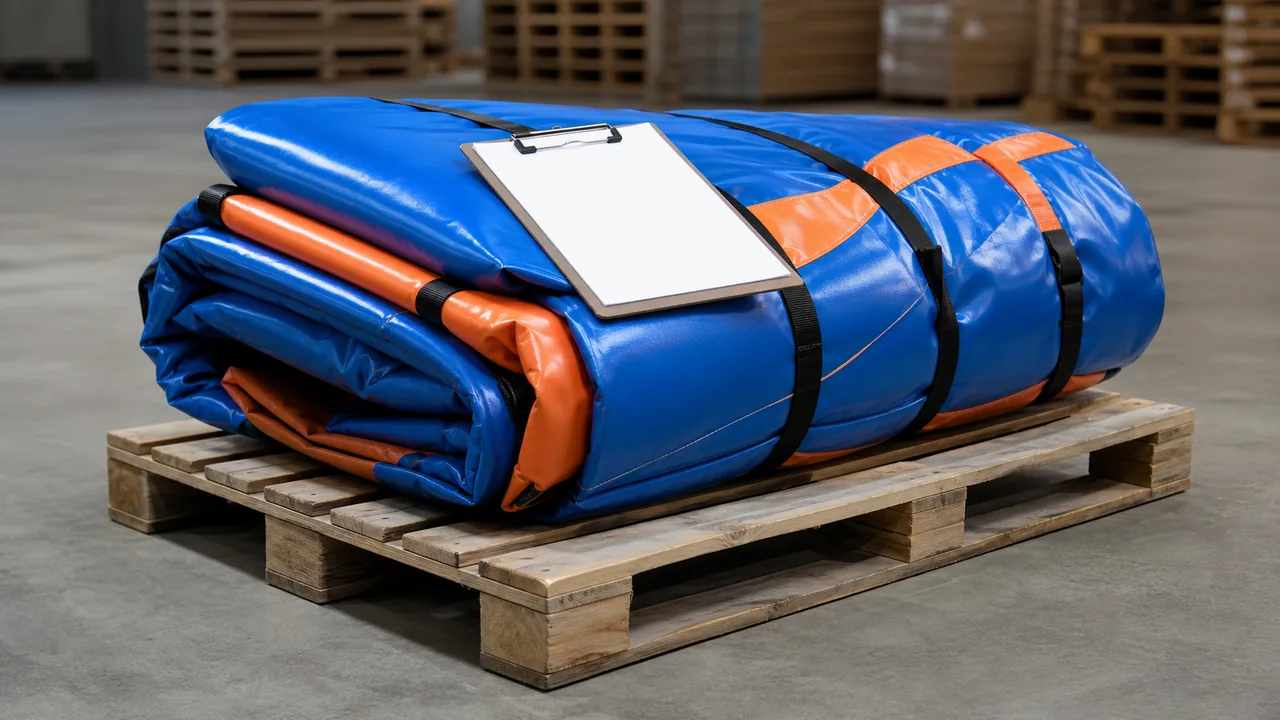
Incoterms define exactly where the seller's responsibility ends and yours begins. Three matter most for inflatable imports, and confusing them is one of the most expensive mistakes a first-time buyer makes.
Under EXW the price covers only the goods sitting at the factory gate. You arrange and pay for everything after that: inland trucking in China, export clearance, port handling, ocean freight, insurance, and import duties. EXW gives you maximum control but maximum hassle—you need a freight forwarder who can handle China-side export. It is rarely the easy choice for a first order.
FOB is the workhorse term for this trade. The factory delivers the goods, clears them for export, and loads them onto the vessel at the named Chinese port; risk and cost pass to you once the cargo is on board. From there you pay ocean freight, insurance, and import-side costs—usually through your own forwarder, which often gives you better freight rates than a factory markup would. When buyers compare FOB vs CIF, FOB is generally preferred by importers who have a forwarder they trust.
Under CIF the factory's price also includes ocean freight and basic marine insurance to your destination port. It is convenient—one number, less for you to arrange—but you are buying freight through the supplier, so you lose visibility into the real shipping cost and control over the insurance level. CIF can be the simpler path for a buyer with no forwarder relationship; just know the convenience is priced in. Note that import duties, destination handling, and delivery from the port are still on you under both FOB and CIF.
Because how the units are loaded directly affects freight cost, it pays to understand 20ft vs 40ft HQ container loading before you settle on FOB or CIF.
The deposit/balance split is your main safeguard, but the balance payment is only protection if you inspect before you release it. Build inspection into the terms: the balance becomes due after the goods pass inspection, not simply when production "finishes." Two practical tools make this work:
Also size the order realistically. Pushing for a tiny trial order can backfire on terms and pricing; the inflatable MOQ reality check explains where realistic minimums sit by category, which in turn shapes the deposit you will be asked for.
Most Chinese inflatable factories quote and invoice in US dollars, so a USD-based buyer carries little exchange exposure. If you operate in euros, pounds, or another currency, remember the rate can move between deposit and balance—sometimes weeks or a month or two apart given typical lead times. On a single container the swing is usually minor, but on a large order or a volatile pairing it is worth watching, and some buyers lock a rate with their bank. Confirm upfront which currency the contract is in and which side absorbs bank charges, so there are no surprises on the final wire.
Before you send a deposit, make sure the proforma invoice or contract states all of the following in writing:
None of this is exotic. It is the ordinary language of export trade, and a professional factory will recognize it immediately. Clear terms protect both sides and signal that you know how this business works—which itself earns you better treatment.
Ready to price a real order? Browse our commercial inflatable games range and request a quote with the Incoterm and payment structure that fits your situation—our team will lay out clear, fair terms for your first container.